
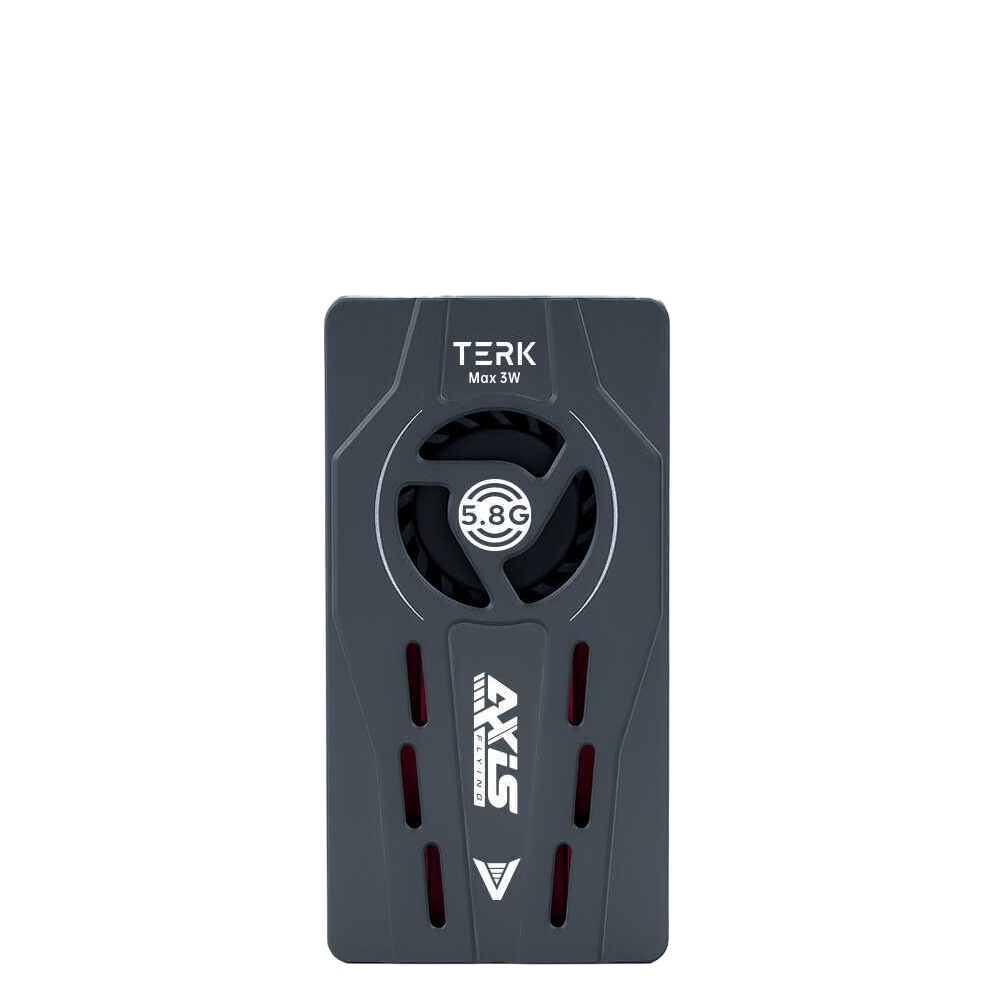
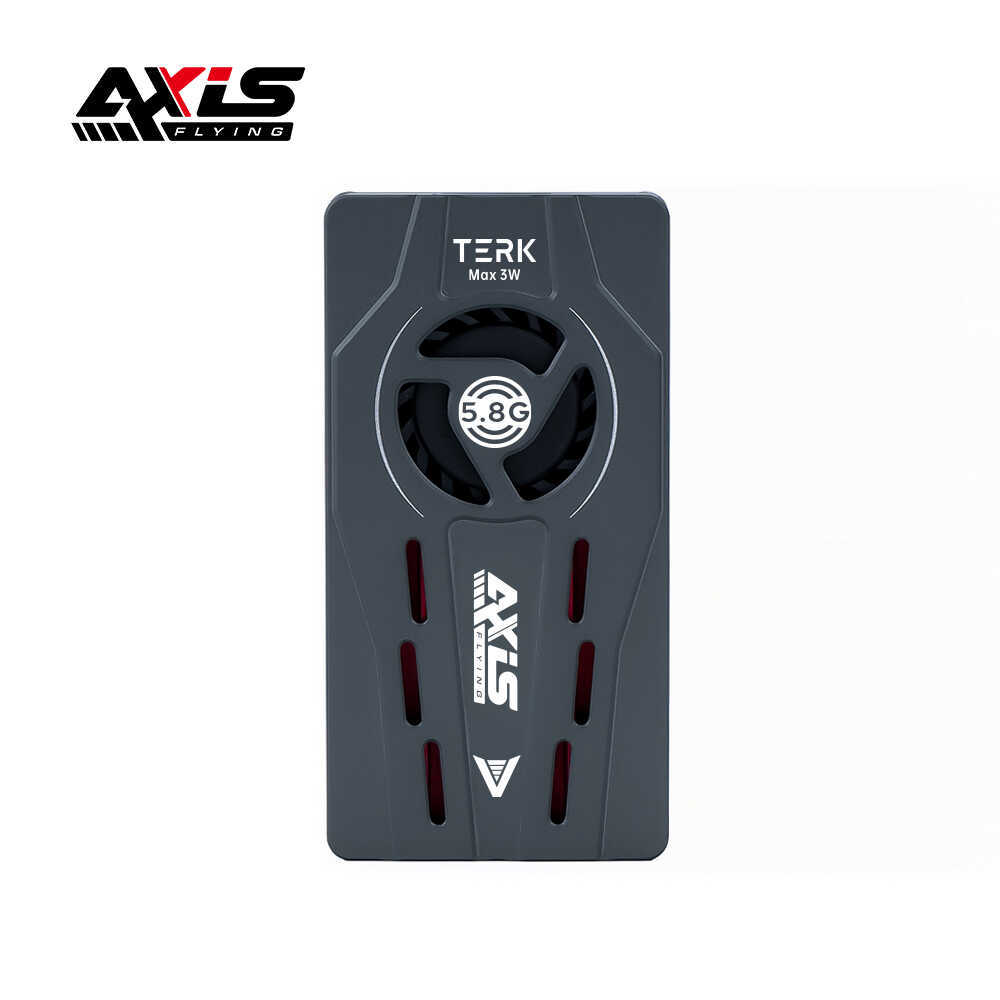

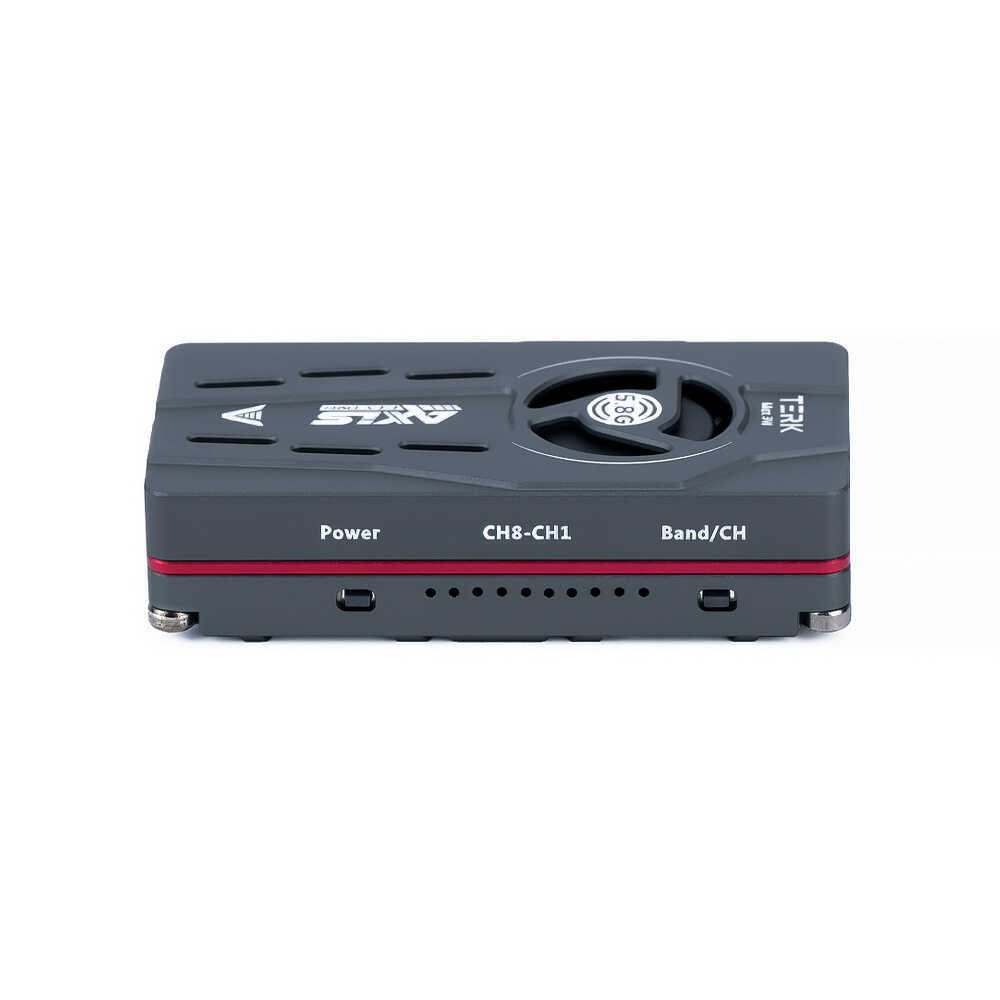
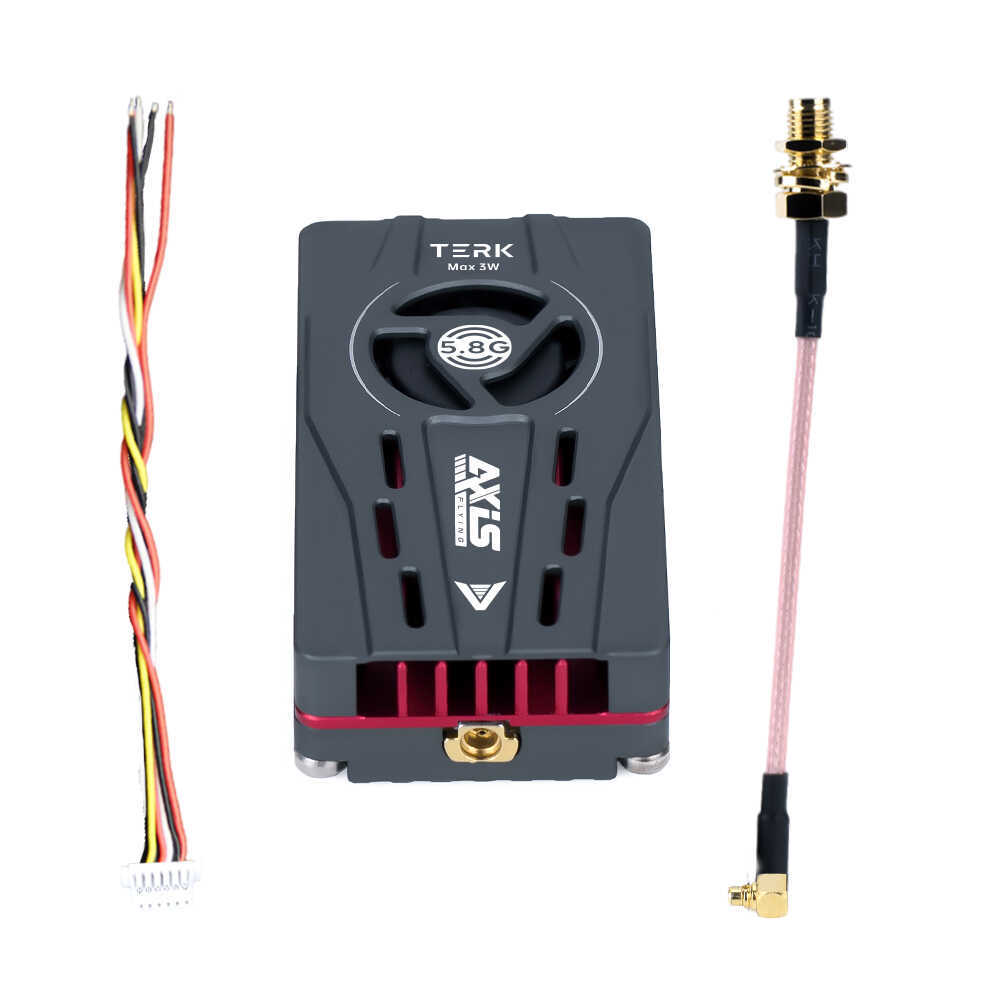
Axisflying 5.8G 3W VTX TERK Analog Chart Transmitter Sailing Heat Dissipation Stability
$64.25
Shipping: Orders are processed within 3 business days. Delivery time depends on item size and shipping method. Shipping cost is calculated at checkout based on volumetric weight and destination. Shipping Policy
Returns: Eligible returns are accepted within 30 days after delivery. Non-defective returns may be subject to a USD 20 return label fee and a USD 20 restocking fee. Approved refunds are processed within 7 days after inspection. Return & Refund Policy
Brand notice: FPVBay is an independent seller. Brand names, product names, model names, and OEM references are used only for identification or compatibility purposes and do not imply affiliation or endorsement unless explicitly stated otherwise.
10000 in stock
Description
Key Selling Points
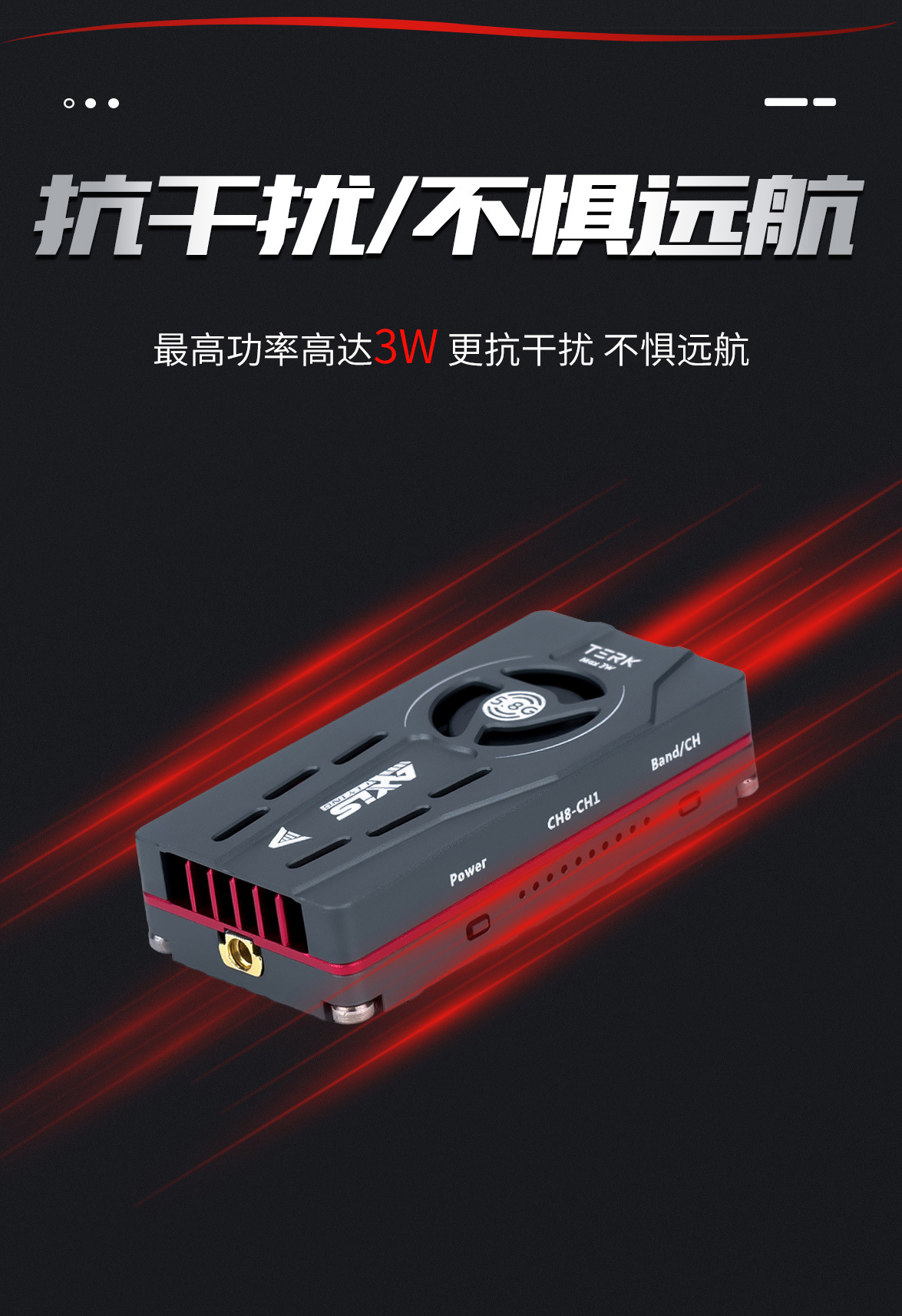
- High Power 5.8G 3W VTX Analog Transmitter for extended FPV range
- Optimized TERK design ensures efficient heat dissipation for stable performance
- Enhanced signal stability for clear video transmission even in challenging conditions
- Compact and lightweight build suitable for various FPV drone setups
- Reliable component for professional FPV enthusiasts seeking top-tier video link
Technical Specifications
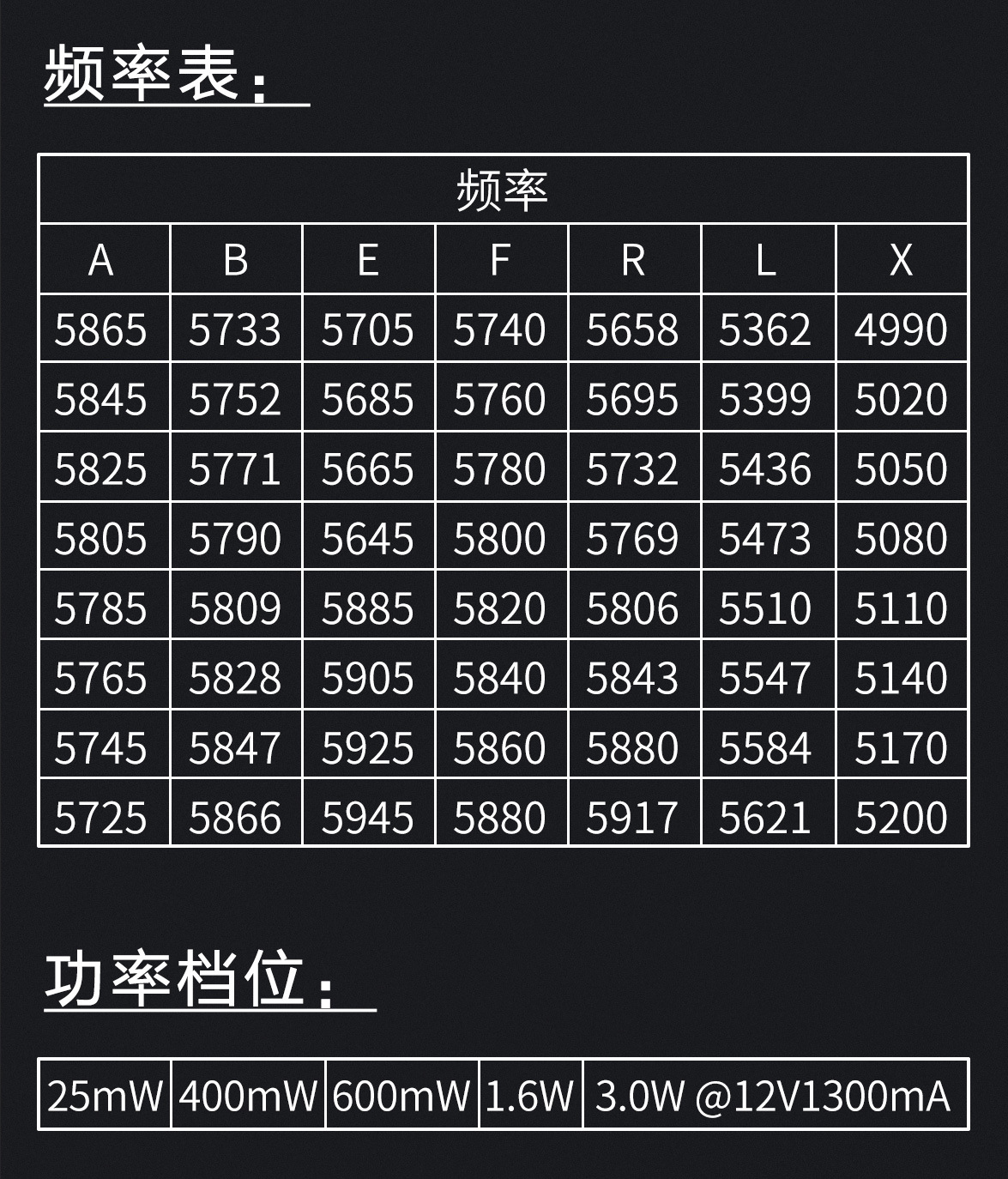
| Frequency | 5.8GHz |
|---|---|
| Power Output | 3W |
| Model | TERK |
| Compatibility | Analog FPV Systems |
| Heat Dissipation | Sailing Design |
FAQ Q&A
Q: What is the maximum power output of this VTX?
A: This VTX features a powerful 3W output for extended range and robust signal.
Q: Is this VTX compatible with digital FPV systems?
A: No, this VTX is an analog transmitter designed for analog FPV systems.
Q: How does the sailing heat dissipation design work?
A: The sailing heat dissipation design uses an optimized fin structure to efficiently dissipate heat, ensuring stable performance during operation.




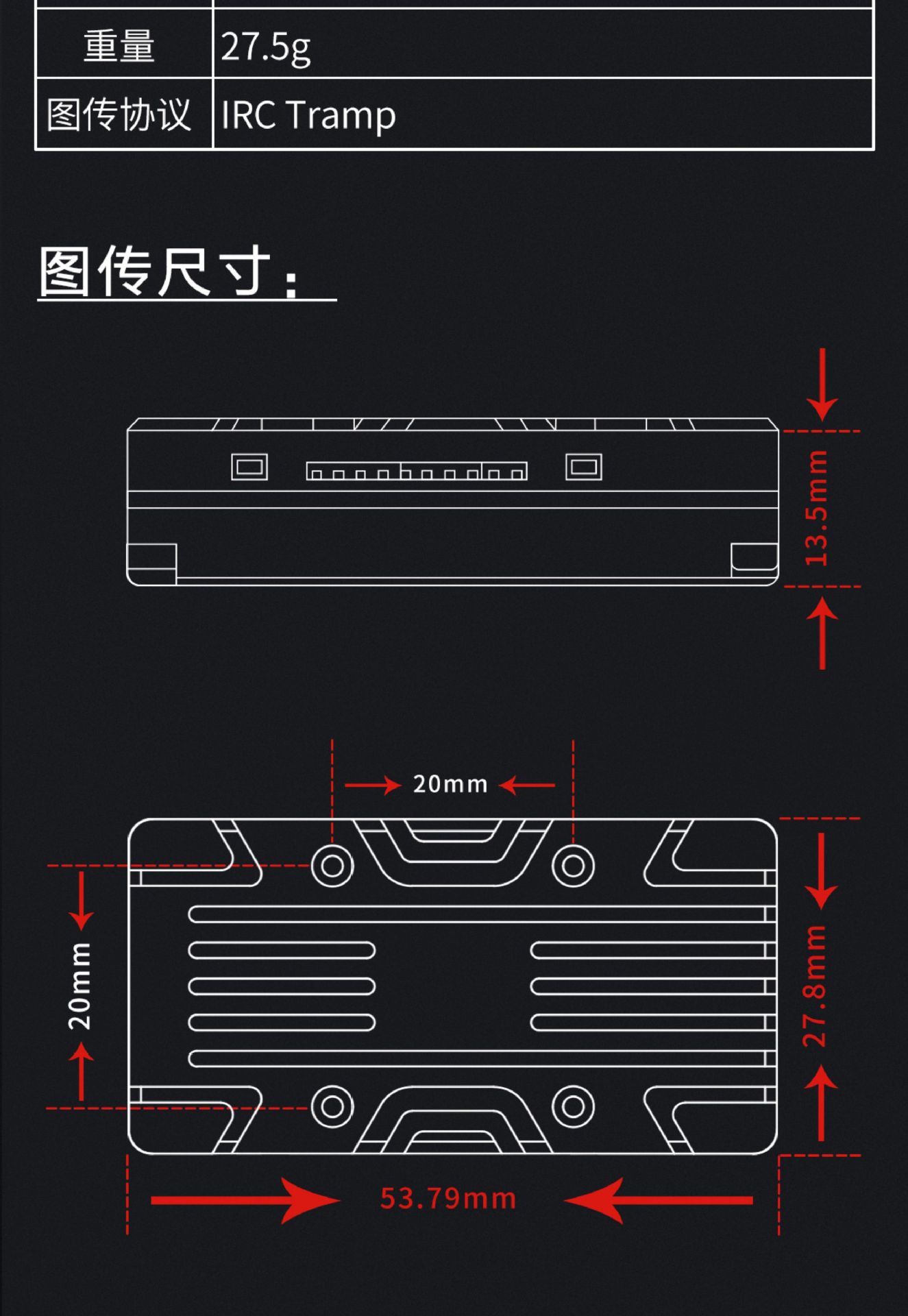
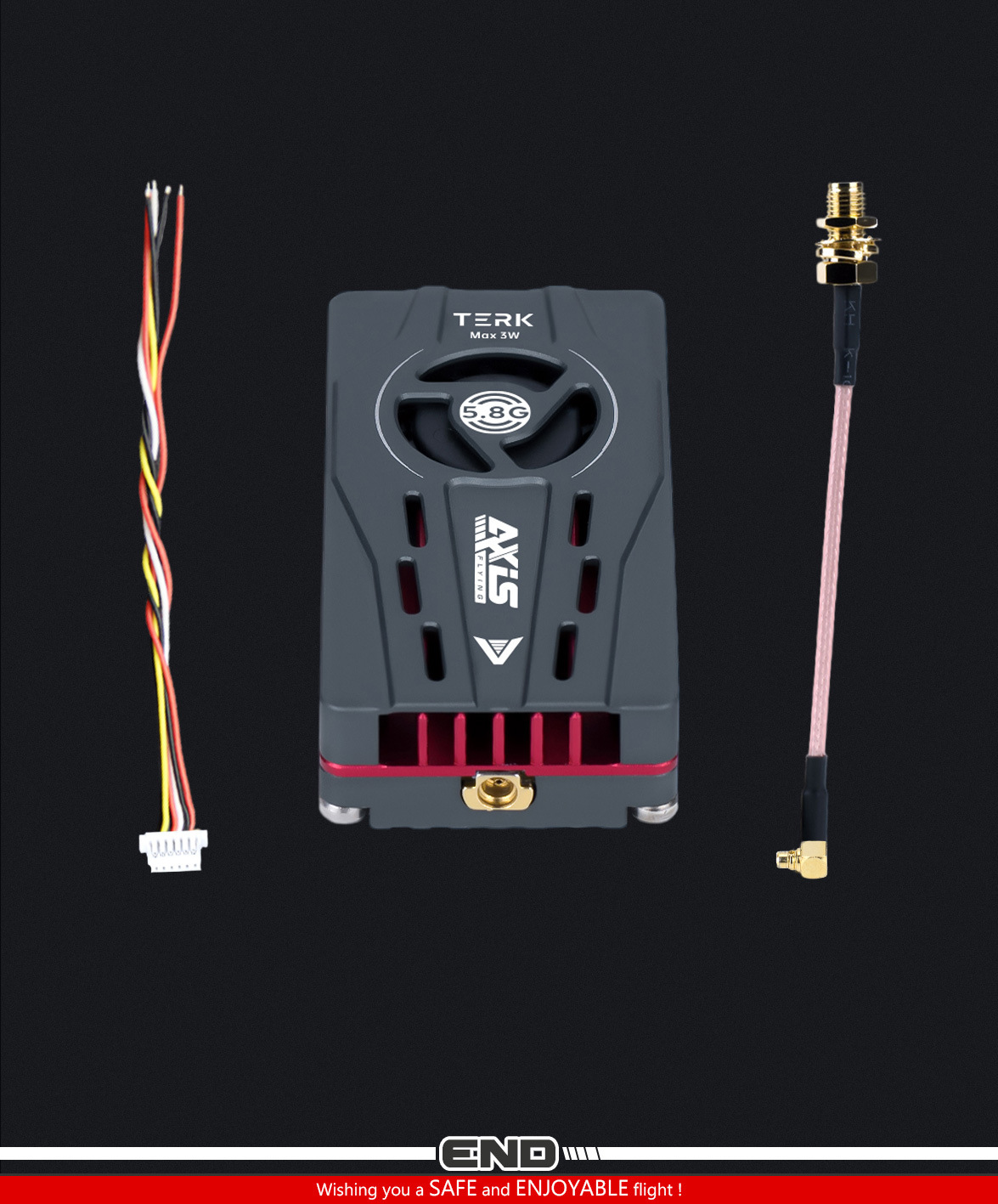
Additional information
| Weight | 0.05 kg |
|---|---|
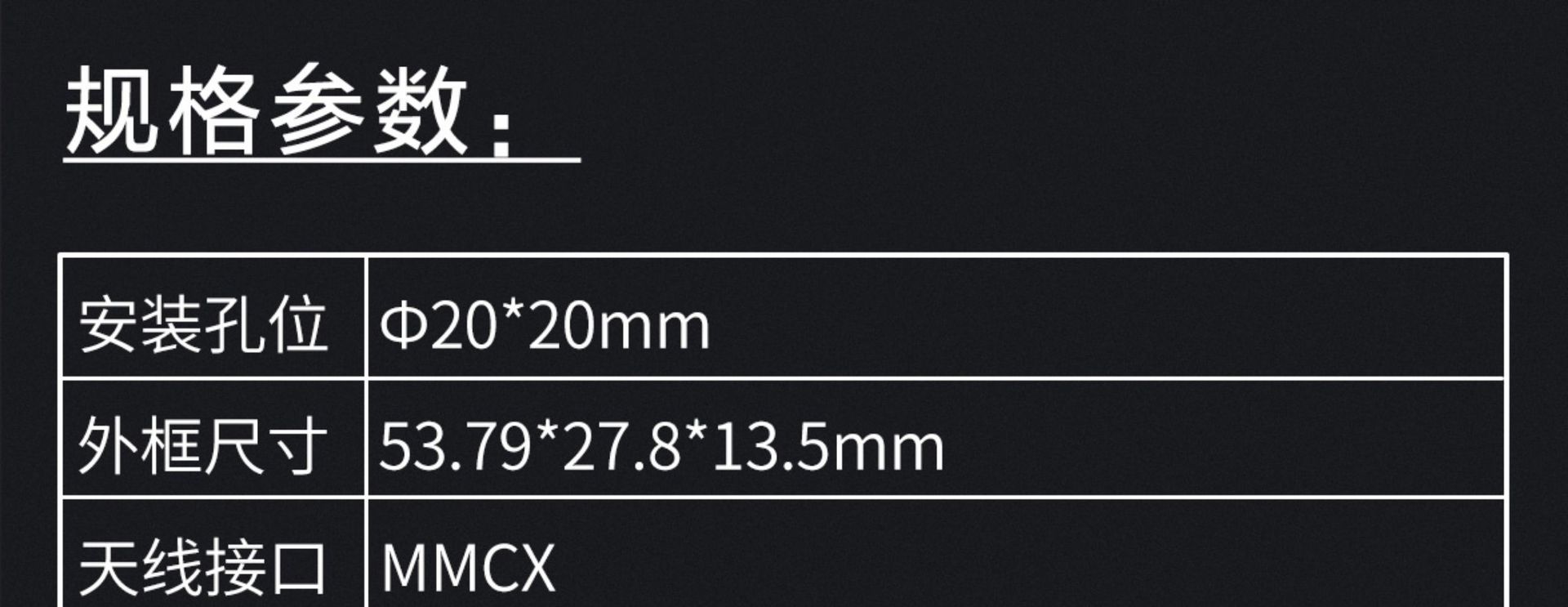
| Dimensions | 8 × 6 × 3 cm |
Related products
-
LCD 5802D FPV Aerial Display 5 8G Integrated 7 inch Crossing Machine Monitor LCD DVR
$92.64 -
CADDX Snail Nano Camera ANT ANT 3D Wide Dynamic Model Aircraft FPV Camera
$18.75 -
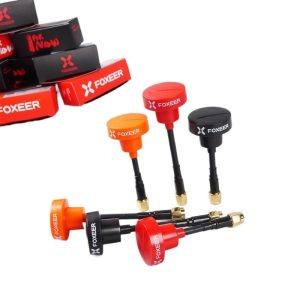
Foxeer Pagoda Pro 5.8Ghz 2Dbi Omnidirectional Antenna High Gain 15cm Cable FPV Drone
$16.22 – $17.78 -
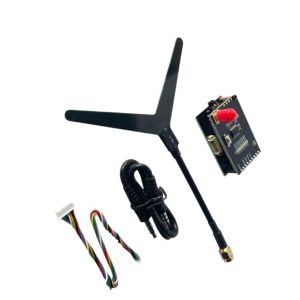
12G 13G VRX Receiver with AV Interface Output 9CH Band DMKR
$57.64 – $69.31
Reviews
There are no reviews yet.